
Who is the 'Sad Cavalier' said to haunt Middleton's Ring O'Bells?
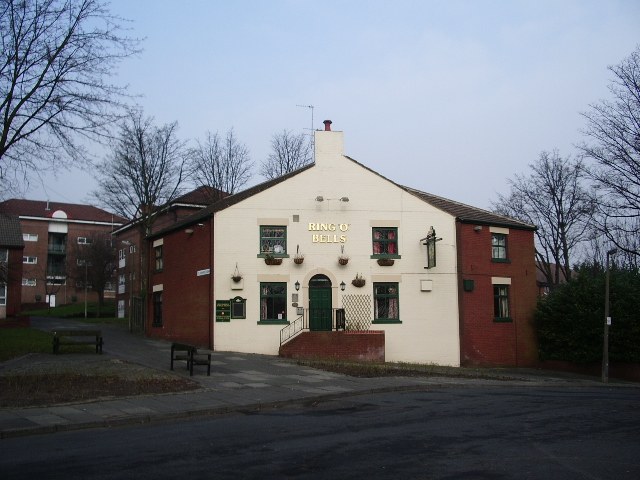

Local tradition says a Civil War escape‑passage ran from the Ring O’Bells’ cellars to St Leonard’s, but the formal record does not confirm a continuous, built tunnel.
If you ask pub regulars and local guidebooks who the Ring O'Bells' ghost is, they'll give you a tidy answer: the Sad Cavalier, nicknamed Edward, a Royalist in plumed hat and cloak who haunts the old inn and its cellars.
That account — a betrayed cavalier fleeing through a secret tunnel, murdered at a church exit, and buried under the pub's flagstones — is the version most often repeated in tourism and folklore write-ups, and it is the story behind ghost-hunt events now advertised for the building on St Leonard's Square.
(Visit Rochdale’s local history/what’s-on page summarises the tradition in full.)
But legend and archive are not the same thing.
What survives in contemporary and older printed sources is two separate threads: first, Middleton's documented seventeenth‑century politics and local gentry; second, a body of later folklore, local recollections and modern tourism copy that stitches a named cavalier to the Ring O'Bells.
The reliable historical picture is straightforward: Middleton and its leading families were active in the Civil Wars and, as local histories explain, many local men and some gentry supported Parliament.
Nineteenth‑century accounts of the town (for example, Edwin Waugh’s Lancashire Sketches) record Ralph Assheton and others raising men for the parliamentary cause and the wider county’s contested loyalties in the 1640s.
Those sources show the town was very much a theatre of seventeenth‑century political division — which makes it an easy setting for a Royalist-versus-Roundhead ghost story.
The Stannycliffe name that appears in the Ring O'Bells tale also exists in the documentary record. County and diocesan antiquarian material mention a house or hall near Middleton called Stannycliffe (older printed collections record people “of Stannycliffe Hall” and deaths there).
Those references confirm Stannycliffe as a historic local place‑name and social unit, not a modern invention of ghost tours. They do not, however, identify an “Edward” who was killed at the pub or provide a contemporary 1640s account of the gruesome ambush the legend describes.
What the tradition adds — and what we cannot yet verify from primary records — are the grisly details: a secret tunnel linking the Ring O'Bells' cellar to St Leonard’s church; the discovery of Civil War‑period pikes, buckles or helmets beneath the cellar flagstones; several skeletons dug up and identified as seventeenth century; and a 1972 newspaper report of violent cellar phenomena.
These claims are regularly echoed in guidebooks and paranormal sites and are summarised on Visit Rochdale’s event listing, but I could not locate a contemporary archaeological report, museum accession record or an accessible copy of the cited 1972 Oldham Evening Chronicle item while researching this piece.
In short: the colourful physical evidence cited in the story appears in modern folklore sources, but I found no published excavation report or council record confirming human remains or a formal 17th‑century burial under the pub.
That distinction matters for readers: Middleton’s seventeenth‑century division and the existence of Stannycliffe give the story a historically plausible frame, but plausibility is not proof.
If you want to pursue the matter further, the borough’s Local Studies and Archives holds parish registers, newspapers, maps and estate papers that are the right places to look for contemporary mentions (the Rochdale Local Studies Centre and Middleton library collections are the starting points listed by the council).
A verified archaeological report or an indexed newspaper copy would settle whether the cellar finds and the 1972 incidents are documentary facts or later accretions to the tale.
So who is the Sad Cavalier? In Middleton today he is, quite plainly, a figure of folk memory: a Royalist gentleman named in local story, given the friendly if mournful nickname Edward by landlords and guide‑writers.
The deeper, verifiable facts are less dramatic — a documented history of local Parliamentary activity in the 1640s and the historic place‑name Stannycliffe — and no clear primary record tying a named Royalist corpse to the Ring O'Bells' cellar has been located in the sources checked for this piece.
The legend will keep drawing in curiosity; for readers who prefer evidence to atmosphere, the archives at Touchstones/Rochdale Local Studies and the parish papers are where the next, verifiable chapter would appear.
Sources consulted: Visit Rochdale’s Ring O'Bells entry and event listing for the pub’s folklore; nineteenth‑century local histories recording Middleton’s Civil War activity; and diocesan/antiquarian material that attests to a historic Stannycliffe near Middleton.
Where modern guides repeat finds of helmets, pikes and skeletons beneath the cellar I have flagged those claims as unverified pending archival or archaeological confirmation.
Read next
 CommunityIs there really a secret tunnel under Middleton between the Ring O’Bells and St Leonard’s?
More from MiddletonSee all ›
Temporary no waiting restriction on part of Lance Corporal Joel Halliwell VC Way in Middleton Middleton Library to explore ghost stories and the real history behind them
 Tributes paid to Obesi Osi-Iyere, 20, former Cardinal Langley student
 Investigation launched after death of three-year-old boy at Middleton nursery
 Rochdale Borough Active Awards 2026 celebrate community champions
More CommunitySee all ›
Rochdale White Ribbon vigil: where Wednesday's walk starts and how to joinThinking about fostering? Free advice stall at Rochdale Riverside on WednesdayRochdale Masters and Mayfield Movers raise nearly £15,000 in charity walks Rochdale AFC launches Christmas Toy Appeal for local families in needWinter Wood Grotto returns to Rochdale with new seasonal show
Legal and editorial note
This article was compiled from identified public sources and may be updated when further verified information becomes available.
Right to reply: For corrections or a right of reply, email news@rochdaledaily.co.uk.