
Does a boggart still haunt Clegg Hall?
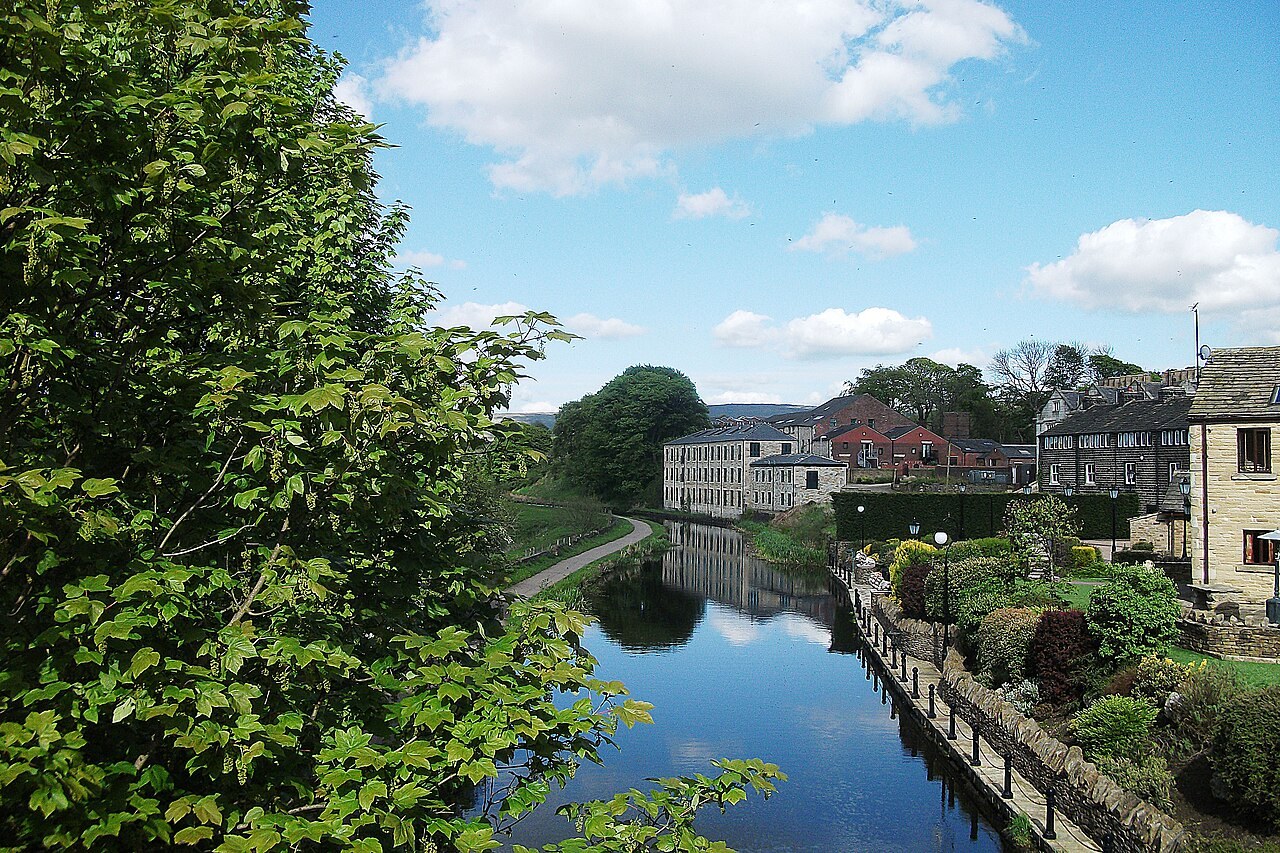

Clegg Hall’s stone house and its Grade II* listing are facts; the boggart is a long‑lived story with no contemporary record to prove the medieval murder it’s said to haunt.
Short answer: the house at Clegg Hall is real; the boggart belongs to folklore.
Clegg Hall stands on Clegg Hall Road, near Smithy Bridge (Milnrow) about two miles north‑east of Rochdale.
The building you can see today is a protected, Grade II* listed house whose main fabric dates to about 1610; Historic England records that listing (List Entry 1309615, first listed 10 August 1951) and gives the architectural description and location.
Those are verifiable, recent and public facts. The “boggart” stories are an older, oral and literary tradition layered over that solid record.
What the documents say: local and county histories trace the place-name and family back to the medieval era but do not confirm the grisly crime the legend describes.
Victorian county compilers and parish historians — the sources relied on by Historic England — record that the medieval Clegg family held land here, but that their holding had changed hands by the late 1200s and that later documentary evidence for a family murder is absent.
In short: there is no surviving contemporary legal or parish record that corroborates the tale of an uncle murdering heirs by throwing them into a moat.
(These points are set out in the local histories cited in the Historic England listing and in the History of the Parish of Rochdale.)
What the storytellers say: the best‑known version of the boggart appears in 19th‑century folklore collections.
John Roby’s Traditions of Lancashire and other collectors printed lively accounts of a “Clegg‑Hall Boggart” — a malign household spirit variously called “Noman” in retellings — and filled them with theatrical incidents: a boggart chamber, a conjuring scene that includes the mock‑baptism of a fowl, and a supposed murderous plot to seize an inheritance.
These tellings are valuable as folklore — they show how local people and writers shaped place and memory — but they are literary and oral sources written long after the events they describe. They do not stand in for primary legal evidence.
How historians and archivists treat the story: county historians and the Victoria County History tradition treat the Roby‑style tales as imaginative reconstructions rather than archival reportage.
That judgement matters: antiquarian and folkloric writers of the 18th and 19th centuries enthusiastically collected local stories, but they also embroidered and adapted them for drama and moral lesson.
Where a claim concerns a violent death or other serious matter, historians look for surviving deeds, court rolls, wills or parish registers. For Clegg Hall, those contemporary anchors for the boggart narrative are missing in the published local record.
Does anybody claim to have recent proof of a haunting? No. There is no official inspection, police finding, archaeological report or archival discovery published in primary sources that confirms the supernatural elements of the Clegg Hall tales.
The house remains private property and its architectural listing is the public record that governs what the council and the public can rely on.
If anyone hopes for an authoritative update (for example a newly found medieval deed or a published archaeological survey), that would need to appear in named archival catalogues, a local authority report or a recognised academic publication before it could alter the basic separation between folklore and documented history.
What readers can do and where to look next: if you want the verifiable facts about the building and its legal status, start with Historic England’s National Heritage List entry (List Entry 1309615).
For the folklore side, read the contemporary printed collections such as John Roby’s Traditions of Lancashire and the 19th‑century county histories (often available in digitised form).
If you want archival confirmation one way or another, Rochdale local studies and archives and the county record offices hold the primary material historians would consult; ask them for searches of deeds, manorial records and parish registers for Clegg/Clegg Hall — but be clear: until such primary documents are published or cited, the boggart remains a durable piece of local storytelling rather than a documented historical fact.
Verdict for the reader: Clegg Hall’s building and location are verifiable; its boggart lives in the region’s printed and oral folklore. That’s not the same as proof of a haunting or of a medieval murder supported by contemporary records.
For now, the boggart is a good story worth retelling — and a reminder to treat nineteenth‑century folklore as a literary and cultural source, not a court roll.
Sources
Read next
 CommunityThe priest, the chicken and the shoe: Rochdale’s strangest boggart story
More from Rochdale
 Rochdale deputy council leader detained twice in Pakistan
 Letchworth Avenue closed to vehicles for roadworks until 14 December
 Rochdale White Ribbon vigil: where Wednesday's walk starts and how to joinThinking about fostering? Free advice stall at Rochdale Riverside on WednesdayMorning Briefing: Monday 23 November 2026
More CommunitySee all ›
Middleton Library to explore ghost stories and the real history behind themRochdale Masters and Mayfield Movers raise nearly £15,000 in charity walks Rochdale AFC launches Christmas Toy Appeal for local families in needWinter Wood Grotto returns to Rochdale with new seasonal show
 Rochdale's Springhill Hospice wins three garden awards
Legal and editorial note
This article was compiled from identified public sources and may be updated when further verified information becomes available.
Right to reply: For corrections or a right of reply, email news@rochdaledaily.co.uk.