
The priest, the chicken and the shoe: what’s behind Clegg Hall’s boggart?
A much‑told Lancashire tale — a priest who answers a spirit’s demand for “a body and a soul” with the body of a cock and the sole of a shoe — belongs to nineteenth‑century collectors and local proverb, not to court records.
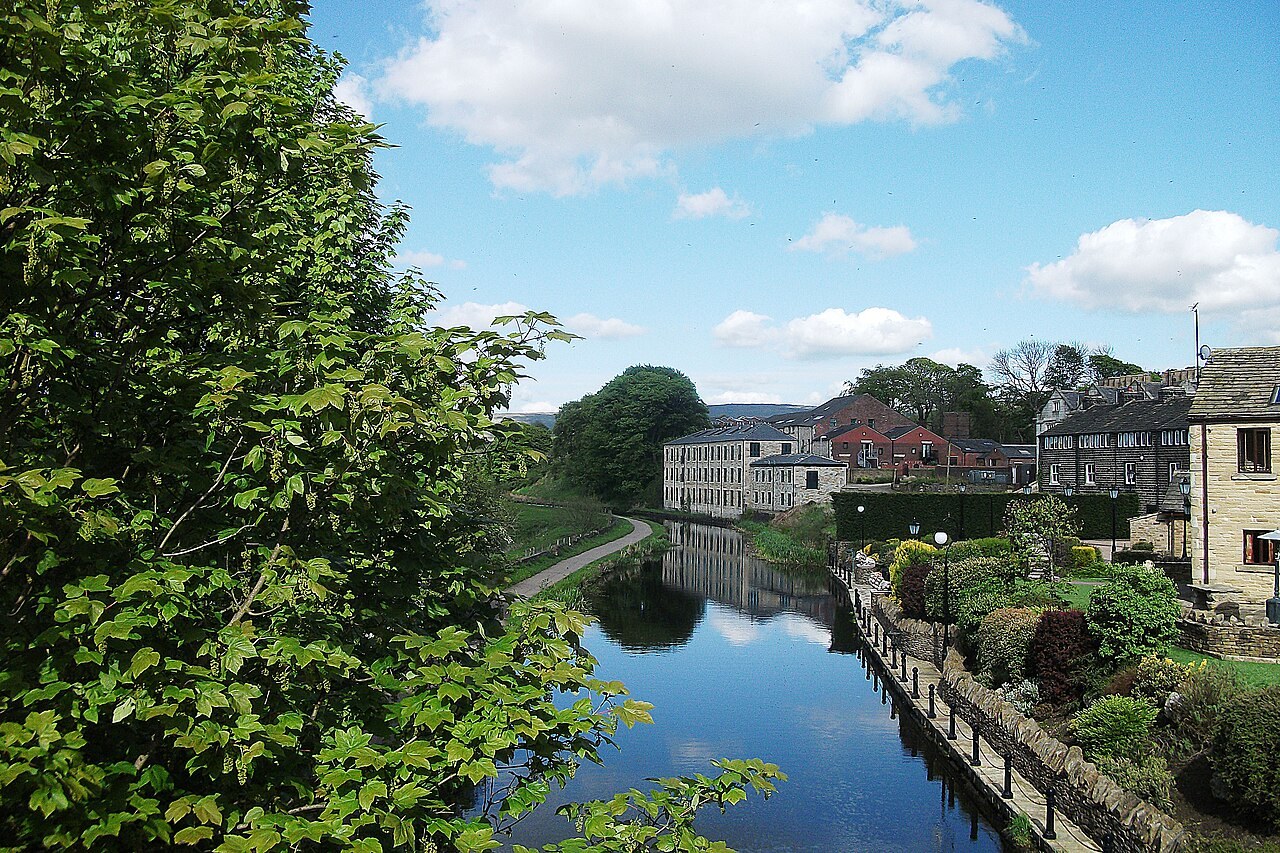

The punchline is impossible to forget: a troubled spirit demands “a body and a soul”; the country priest produces the body of a cock and the sole of a shoe, burns them, and the boggart is quiet — for a while.
That grotesque, comic bargain is the detail most people still trot out when Clegg Hall is mentioned.
The scene, in versions printed by Victorian collectors, is folkloric: it appears in John Roby’s Traditions of Lancashire and in nineteenth‑century county compilations which quote a local ballad and block‑printed anecdotes. ([gutenberg.org](https://www.gutenberg.org/cache/epub/25256/pg25256-images.html))
Clegg Hall itself is not a legend. The stone manor on Clegg Hall Road near Smithy Bridge is Grade II* listed and dates mainly from the early 17th century; Historic England’s official entry describes the house’s architectural features, its listing number and its legal protection.
Those facts about the building’s fabric and location are verifiable; the haunting is not part of the listing. ([historicengland.org.uk](https://historicengland.org.uk/listing/the-list/list-entry/1309615))
Where the murders and the bargaining priest come from is clearer when you follow the paper trail backwards.
John Roby (first published 1829) set down a long, theatrical narrative of the “Clegg‑Hall Boggart” drawn from local tellings; other compilers — notably Harland and Wilkinson — printed versions and noted a manuscript ballad by William Nuttall that supplies the parley and the cock‑and‑shoe motif.
These are sources for how the story was told in the 19th century, and they show how ballad, parish gossip and literary taste fed one another. ([gutenberg.org](https://www.gutenberg.org/cache/epub/25256/pg25256-images.html))
Local historians are blunt about the difference between tradition and documentary proof.
The late‑19th‑century parish history of Rochdale observes that Roby’s narrative is “pure imagination” while admitting a persistent ghost‑tradition and a local proverb — “As ill as Clegg Hall boggart” — that testify to the tale’s hold on regional speech.
In short: printed collectors preserved the legend; surviving legal and parish records do not corroborate the alleged medieval murders. ([your-content.s3.eu-west-2.amazonaws.com](https://your-content.s3.eu-west-2.amazonaws.com/wp-content/uploads/2023/09/04145039/chapter-xvii-old-houses-and-old-families-butterworth-pages337-389.pdf))
That pattern is familiar across English county folklore.
Boggarts, bogies and their like were often invoked to explain misfortune and to mark a place: names such as Boggart Hole Clough survive in local toponymy, and the Clegg Hall story sits alongside other Lancashire hauntings in the nineteenth‑century literature of the county.
But a vivid printed story is not a contemporaneous court docket. If you want to trace claims about ownership, inheritance or criminal proceedings you must go to deeds, wills and chancery rolls; the folktale tradition does not cite those records as evidence for the murders.
([greatermanchesterplacenames.net](https://greatermanchesterplacenames.net/docs/GMPN4.pdf))
Why does the cock‑and‑shoe image stick? Folklorists note that “lateral thinking” bargains like this — substituting an animal and an inanimate object for a human sacrifice — are a common kind of trick in popular supernatural tales.
The joke works on several levels: it is at once grotesque, comic and morally neat: the community outwits a claim on a life.
Whether it ever happened matters less to the story’s social life than that the image provided a memorable ritual resolution and a way for people to talk about guilt, inheritance and the unsettled dead.
For researchers, though, the distinction matters: it belongs to literature and oral tradition, not to proven local history. ([en.wikisource.org](https://en.wikisource.org/wiki/Lancashire_Legends%2C_Traditions%2C_Pageants%2C_Sports%2C_%26c./Part_1/The_Clegg_Hall_Tragedy))
If you want to follow the trail yourself: start with the Historic England list entry for the building (for architecture and legal status), then read Roby’s Traditions (the Clegg Hall chapter) and the county compilers Harland and Wilkinson for the ballad and variants; finally, consult Victorian parish histories such as the History of the Parish of Rochdale for the local historian’s judgement that Roby’s tale is imaginative rather than archival.
These are the documents that let a reader separate the hall’s verifiable past from the lively folk tradition that grew up around it. ([historicengland.org.uk](https://historicengland.org.uk/listing/the-list/list-entry/1309615))
Sources
Read next
 CommunityBroadfield Park Slopes renovation celebrated at Rochdale Town Hall
More from Rochdale
Morning Briefing: Sunday 1 November 2026Rochdale remembers as community gathers for Remembrance Day servicesRochdale residents return home after car crash causes gas leakMorning Briefing: Saturday 31 October 2026Charlie Tasker thriving during loan spell at Rochdale from BrightonMore CommunitySee all ›
Birthday cards for Wendy: family’s heartfelt appeal ahead of her 79th birthdaySt Luke’s Church in Deeplish announces upcoming services and community eventsRochdale Boroughwide Housing Limited awards VAT services contract to S3TAX LimitedEight winners honoured at Rochdale Diversity Awards 2026Legal and editorial note
This article was compiled from identified public sources and may be updated when further verified information becomes available.
Right to reply: For corrections or a right of reply, email news@rochdaledaily.co.uk.