
The priest, the chicken and the shoe: the true story behind Clegg Hall’s boggart
The ghost story is old; the house and the documentary record are clearer. Our sources show Clegg Hall is a 17th‑century listed house with a long oral legend, but the grisly murders in the ballads do not appear in surviving archives.
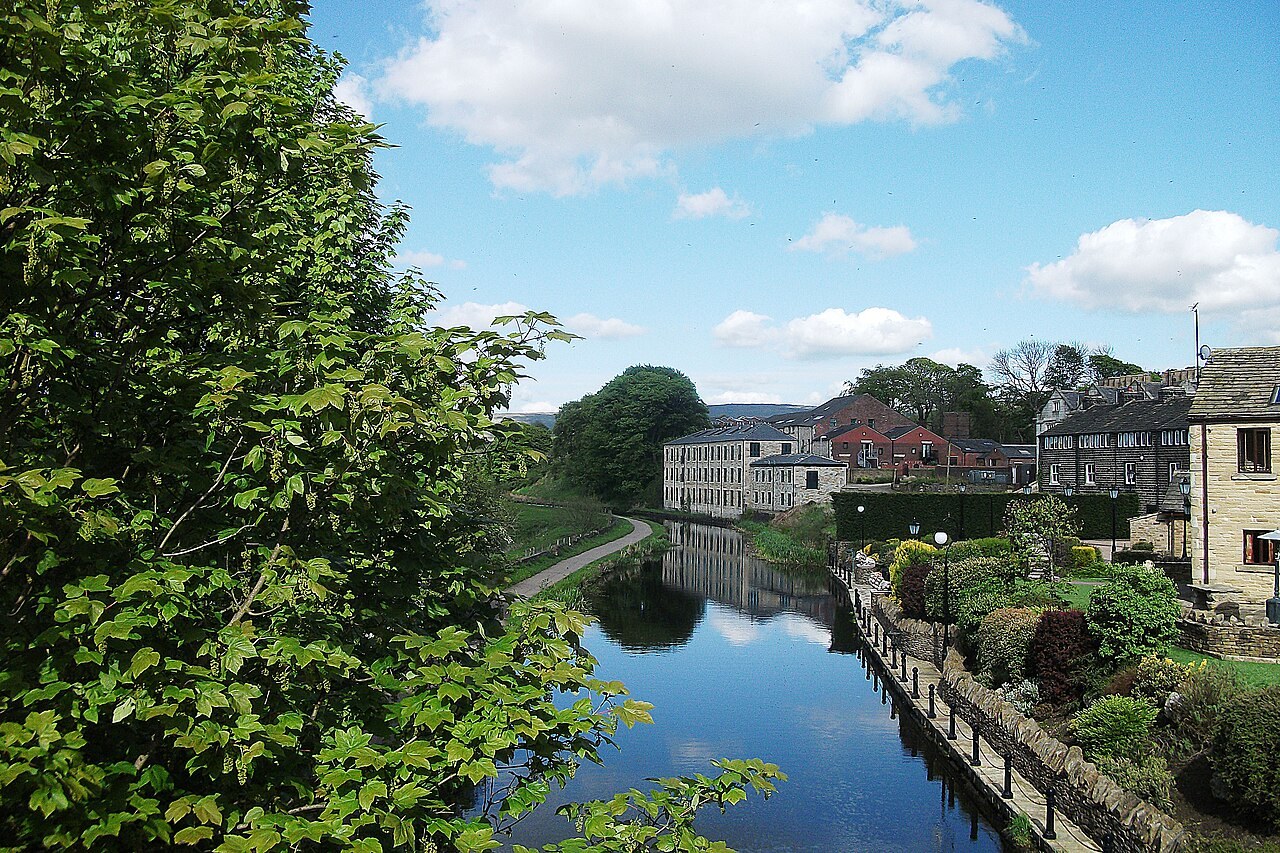

Clegg Hall sits on Clegg Hall Road, near Smithy Bridge on the Milnrow/Littleborough boundary about two miles north‑east of Rochdale. The building you can still see today is not a medieval keep but an early 17th‑century house — the present fabric is usually dated c.1610 and the property is Grade II* listed on the National Heritage List for England. That listing gives the architectural description and legal status; it is the firmest point of departure for anyone who wants the verifiable facts about the place.
The boggart story belongs to oral tradition and 19th‑century folklore collecting, not to those architectural or estate records. John Roby, the Lancashire folklorist, set down a full graphic version of the “Clegg Hall boggart” in his Traditions of Lancashire; later commentators and local ballads, notably a ballad transmitted to Roby by William Nuttall, expanded the tale. Roby and others weave a dramatic plot in which a grasping relative destroys the rightful heirs (variously by drowning in a moat or stabbing) and a household spirit thereafter haunts the hall. These published tellings are the source of the tale as modern readers encounter it.
If you want to separate story from archive, the local topographical history is blunt. The late‑19th‑century history of the parish of Rochdale (the chapter dealing with Butterworth and its houses) notes that while a ghost‑tradition about Clegg Hall was “current” in the 19th century and even produced a local proverb (“as ill as Clegg Hall boggart”), the narrative Roby printed is, in the historian’s judgement, “pure imagination”. The parish history traces ownership through named families (Assheton, Howorth, Hulton, Entwistle, Fenton and others) and points to the Manor Survey of 1626 and later title deeds as the documents that survive for the property. Crucially, those sources do not record the kind of proven murders Roby’s tale describes.
Putting the two kinds of evidence side by side matters. The built record — the listing, the manor survey citations and the parish histories — establish when the surviving house was erected, who owned it at various times and how the place appears in legal and estate documents. The folkloric record — Roby, Harland, Waugh and later collectors — shows how a ghost story grew around the site and how it was told and retold, changing details and sometimes borrowing stock motifs (a jealous kinsman, children killed, a household spirit demanding ‘a body and a soul’). Those are complementary sources: one documents tangible ownership and fabric; the other documents belief and local memory.
What does this mean for readers who ask the practical question — is there a ghost? The answer that sticks to sources is straightforward: Clegg Hall is associated with a well‑attested local boggart tradition recorded by Victorian folklorists; however, the specific crime that makes the legend dramatic is not supported by surviving archival evidence cited in local histories. Folklore can preserve memory in symbolic or distorted form; it does not substitute for court records, wills or manor surveys when a factual finding about a past crime is required.
For anyone interested in following the paper trail: start with the Historic England list entry for the house for architectural and legal facts, and read the nineteenth‑century collectors — John Roby’s Traditions of Lancashire and the county‑level folk compilations — to see how the tale was told. The local parish history (the Butterworth chapter in the County/Parish histories) is the place to check documentary ownership, estate transactions and the 1626 manor survey references cited by historians. Where a claim cannot be supported by those documents, say so plainly: in this case the murderous episode belongs to tradition rather than to an attested local record.
For a borough reader with other things on the to‑do list: the hall’s story is a neat example of how places acquire legends. Clegg Hall’s fabric, its Grade II* status, and its place names in the parish records are verifiable and of local interest; the boggart is part of Rochdale’s oral heritage and worth the telling, but it should be treated as folklore rather than as recorded fact.
Sources
Read next
 CommunityBroadfield Park Slopes renovation celebrated at Rochdale Town Hall
More from Rochdale
Investigation launched after racist abuse incident at Rochdale nightclubRemembrance Sunday services planned across Rochdale boroughMorning Briefing: Sunday 25 October 2026Rochdale mum diagnosed with breast cancer after routine NHS screeningRochdale AFC welcomes local groups for No Room for Racism fixtureLegal and editorial note
This article was compiled from identified public sources and may be updated when further verified information becomes available.
Right to reply: For corrections or a right of reply, email news@rochdaledaily.co.uk.