
The priest, the chicken and the shoe: the true tale of Clegg Hall’s boggart
The spooky story that made Clegg Hall famous lives in 19th‑century folklore; the house itself is a recognisable early‑17th‑century building, not a medieval murder scene — and the killings belong to tradition, not archival record.

One of Rochdale borough’s most durable bedtime stories begins with a bargain: a priest meets the boggart of Clegg Hall and, when the spirit insists on “a body and a soul,” produces the body of a cock and the sole of an old shoe, which he burns to quiet the ghost. That grotesque flourish — a macabre pun, some of the nineteenth‑century collectors apparently thought — is the detail most people still recall. ([gutenberg.org](https://www.gutenberg.org/files/25256/25256-h/25256-h.htm))
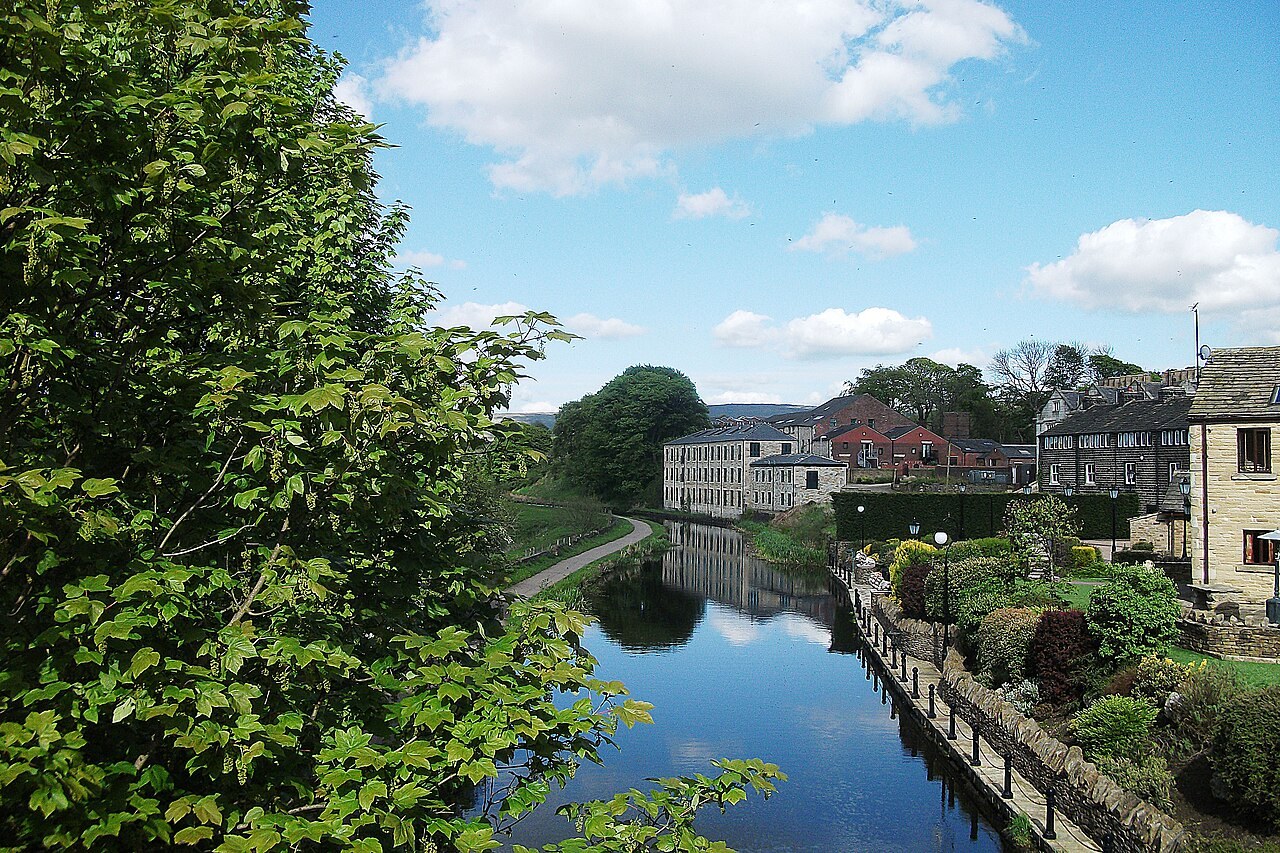
Clegg Hall itself is a real place. The house that stands near the hamlet of Clegg, roughly two miles north‑east of Rochdale beside the canal corridor, survives as a heritage building and is recorded on the National Heritage List for England. The listing describes the present fabric as later work on an older site and records the house’s architectural interest. ([historicengland.org.uk](https://historicengland.org.uk/listing/the-list/list-entry/1309615))
The boggart story came into print in the early nineteenth century when county‑level compilers and antiquarians began to collect local oral traditions. John Roby included a version of the Clegg Hall tale in his Traditions of Lancashire and drew on a ballad tradition communicated locally — William Nuttall of Rochdale is named in nineteenth‑century print as a contributor of a related ballad. Those published versions give the fuller sequence of events that people now tell: an alleged family murder, a haunted house, and the priest’s comic ritual of substitution. ([gutenberg.org](https://www.gutenberg.org/files/25256/25256-h/25256-h.htm))
Older collectors and later local historians make an important distinction: the story is part of Lancashire oral and literary tradition, not a documentary record of crime. County‑history writers who examined surviving local archives found no contemporary evidence for the sensational murders that Roby and later storytellers describe, and advised treating the narrative as tradition rather than verifiable fact. In short: the ghost story has a long printed life, but the alleged events that supposedly created the boggart are not supported by the surviving parish or legal records cited by local historians. ([your-content.s3.eu-west-2.amazonaws.com](https://your-content.s3.eu-west-2.amazonaws.com/wp-content/uploads/2023/09/04145039/chapter-xvii-old-houses-and-old-families-butterworth-pages337-389.pdf))
That does not mean the tale has been harmless. The Clegg Hall boggart entered local speech — nineteenth‑century collectors record sayings such as “as ill as Clegg Ho’ boggart” — and it has been retold in guidebooks, ballads and modern ghost compilations ever since. Folklore scholars treat the episode as a useful example of how a house‑ghost narrative accumulates variants: in some tellings the manner of the crime changes; in others the name and the motive vary; but the priest’s cock‑and‑shoe retort survives because it carries both humour and symbolic defiance of the haunting. ([upload.wikimedia.org](https://upload.wikimedia.org/wikipedia/commons/3/39/Lancashire_folk-lore_-_illustrative_of_the_superstitious_beliefs_and_practices%2C_local_customs_and_usages_of_the_people_of_the_county_Palatine_%28IA_lancashirefolklo00harlrich%29.pdf))
What should a local reader take away? Clegg Hall is an historic building with a long oral tradition attached to it; the most colourful elements of that tradition — including the cock and the shoe — are recorded in nineteenth‑century folklore collections but not in contemporary legal or parish documents. If you want to follow the trail yourself, the most useful starting points are the original printed collections (Roby and later county folklore volumes) and the Historic England entry for the house. None of those sources turns the boggart into an established crime record: they show instead how place, story and print culture keep a local ghost alive. ([gutenberg.org](https://www.gutenberg.org/files/25256/25256-h/25256-h.htm))
Sources
Read next
 CommunityBroadfield Park Slopes renovation celebrated at Rochdale Town Hall
More from Rochdale
Morning Briefing: Tuesday 27 October 2026Sunderland held to a draw at Rochdale in League One clashMan dies in three-vehicle crash on Rochdale Road in EdenfieldGTAS weekly guide brings Halloween fun and a remembrance walk to RochdaleHeights Lane roadworks to begin on 26 October 2026More CommunitySee all ›
Free benefits checks at Littleborough and Wardle libraries on Monday and TuesdayRochdale Council Tax Direct Debits delayed by one day after system errorNew book showcases unseen 1930s photographs of Rochdale's Norden RivieraRochdale AFC welcomes local groups for No Room for Racism fixtureLegal and editorial note
This article was compiled from identified public sources and may be updated when further verified information becomes available.
Right to reply: For corrections or a right of reply, email news@rochdaledaily.co.uk.