
The priest, the chicken and the shoe: Rochdale’s strangest Clegg Hall boggart story
A much‑told Lancashire tale — a priest who answers a spirit’s demand for “a body and a soul” with the body of a cock and the sole of a shoe — belongs to nineteenth‑century collectors and local proverb, not to court records.
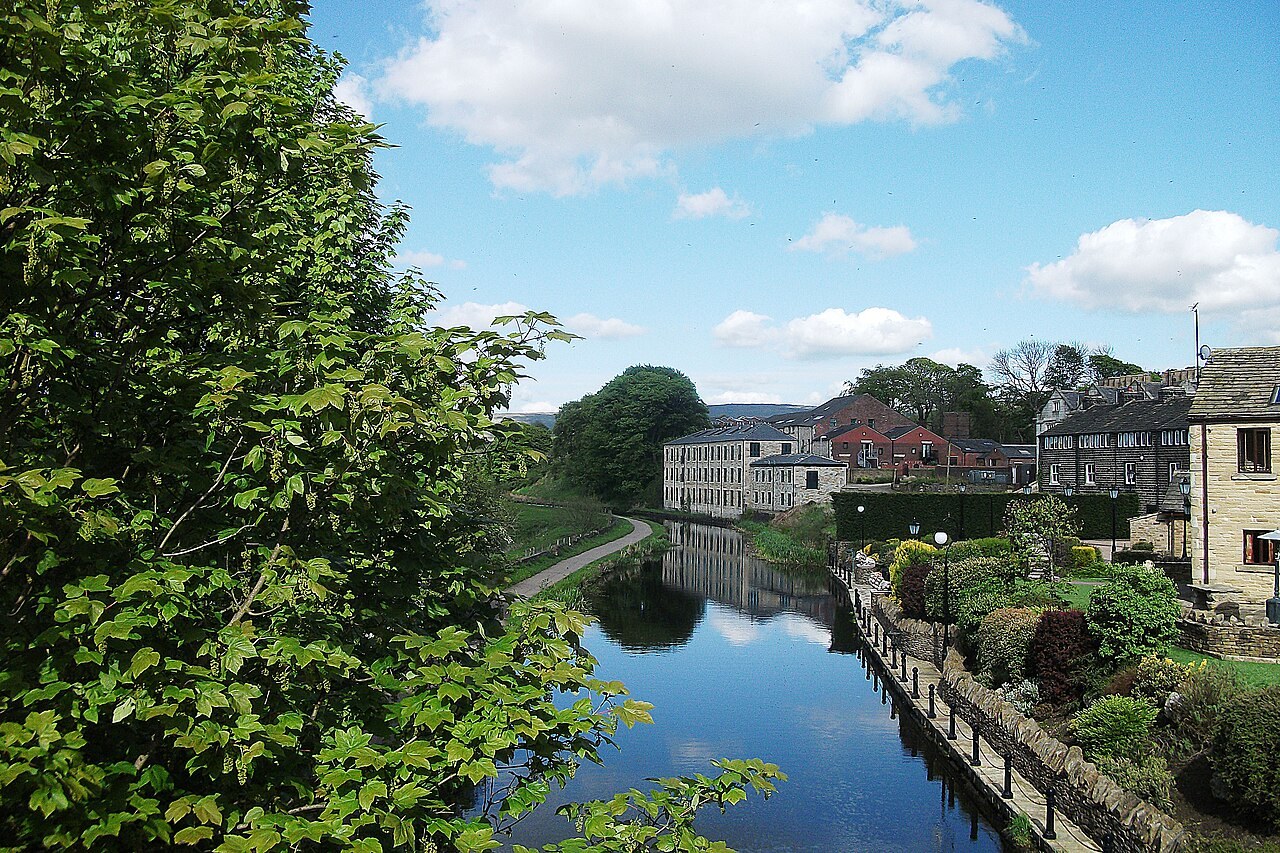

Clegg Hall is real: a stone manor on Clegg Hall Road between Smithy Bridge and Littleborough, listed Grade II* and dated mainly to the early 17th century.
The National Heritage List for England describes the building’s fabric and its legal protection; the listing does not record any supernatural events. ([historicengland.org.uk](https://historicengland.org.uk/listing/the-list/list-entry/1309615))
The oddball detail that keeps the story alive — that a pious local priest told demanding spirits to accept “the body of a cock and the sole of a shoe” instead of a human life, then burned them to lay the ghosts — comes from nineteenth‑century folk collectors and ballad tradition, not contemporary court or parish records.
The line appears in printed collections of Lancashire legend and in John Roby’s well‑known Traditions of Lancashire, which drew on local tellings and on material provided by Rochdale writers such as William Nuttall. ([gutenberg.org](https://www.gutenberg.org/files/25256/25256-h/25256-h.htm))
Roby’s account and later county compendia preserved several variants: in some, an uncle murders two orphaned heirs to seize Clegg Hall; in others a ballad names a Sir Roland as the villain.
These stories were retold, reshaped and dramatised through the nineteenth century and became part of local speech — collectors recorded a proverb, “as ill as Clegg Hall boggart,” to mean something hard to get rid of.
But Victorian collectors tended to mix oral tradition, ballad verse and antiquarian imagination; they do not equal contemporaneous documentary proof of the alleged medieval murders. ([gutenberg.org](https://www.gutenberg.org/files/25256/25256-h/25256-h.htm))
That distinction is important. A late‑19th‑century parish history of Rochdale discusses Roby’s narrative and judges it “pure imagination,” while acknowledging that a ghost‑tradition persisted locally; the compilers therefore treat the haunting as folklore rather than established fact.
If a reader wants to check ownership, inheritance or criminal proceedings, those claims should be tested against deeds, wills and court rolls — documents not cited by the legend itself. ([your-content.s3.eu-west-2.amazonaws.com](https://your-content.s3.eu-west-2.amazonaws.com/wp-content/uploads/2023/09/04145039/chapter-xvii-old-houses-and-old-families-butterworth-pages337-389.pdf))
Why the cock and the shoe? Folklorists note that popular narratives often use small, memorable ritual substitutes to resolve monstrous demands: an animal for a human body, a single object in place of a soul.
The device works as a comic and moral shortcut — local story tellers found it satisfying that the community outwitted a claim on a life.
Variants and printed retellings by Harland, Wilkinson and others repeat the image, which helps explain its endurance in regional collections and guidebooks. ([gutenberg.org](https://www.gutenberg.org/cache/epub/41148/pg41148-images.html))
Practically speaking for Rochdale readers: the hall, the road and the proverb are part of our local cultural map; the murderous episode and the miraculous exorcism belong to a literary and oral tradition.
Historic England’s list entry is the authoritative source for the building’s date, description and legal status; Roby and nineteenth‑century folklore collections are the primary sources for the tale in print; the parish history offers the local historian’s caveat about evidence.
If you want to follow the trail yourself, start with the Historic England list entry (List Entry 1309615), then read Roby’s Traditions and the county compilers Harland & Wilkinson; their pages show how oral lore, ballad and antiquarian taste combined to create the version most quoted today.
([historicengland.org.uk](https://historicengland.org.uk/listing/the-list/list-entry/1309615))
What remains uncertain is straightforward: there is no surviving archival record discovered in those nineteenth‑century sources that proves a medieval double murder at Clegg Hall took place exactly as the legend says.
The story is a durable piece of Lancashire folklore — worth a smile, a local proverb and a place on any walking route — but it should be treated as tradition, not as documented history. ([your-content.s3.eu-west-2.amazonaws.com](https://your-content.s3.eu-west-2.amazonaws.com/wp-content/uploads/2023/09/04145039/chapter-xvii-old-houses-and-old-families-butterworth-pages337-389.pdf))
Sources
Read next
 CommunityBroadfield Park Slopes renovation celebrated at Rochdale Town Hall
More from Rochdale
Rochdale Sixth Form College to host Open Evening on 19 NovemberRochdale and Bury see significant increases in driving test pass ratesMorning Briefing: Sunday 1 November 2026Rochdale remembers as community gathers for Remembrance Day servicesRochdale residents return home after car crash causes gas leakMore CommunitySee all ›
Birthday cards for Wendy: family’s heartfelt appeal ahead of her 79th birthdaySt Luke’s Church in Deeplish announces upcoming services and community eventsRochdale Boroughwide Housing Limited awards VAT services contract to S3TAX LimitedEight winners honoured at Rochdale Diversity Awards 2026Legal and editorial note
This article was compiled from identified public sources and may be updated when further verified information becomes available.
Right to reply: For corrections or a right of reply, email news@rochdaledaily.co.uk.