
The priest, the chicken and the shoe: what really lies behind the Clegg Hall boggart?
Clegg Hall has a long‑lived boggart story collected by Victorian folklorists, but the grisly murders at its centre belong to oral tradition rather than surviving archive evidence.
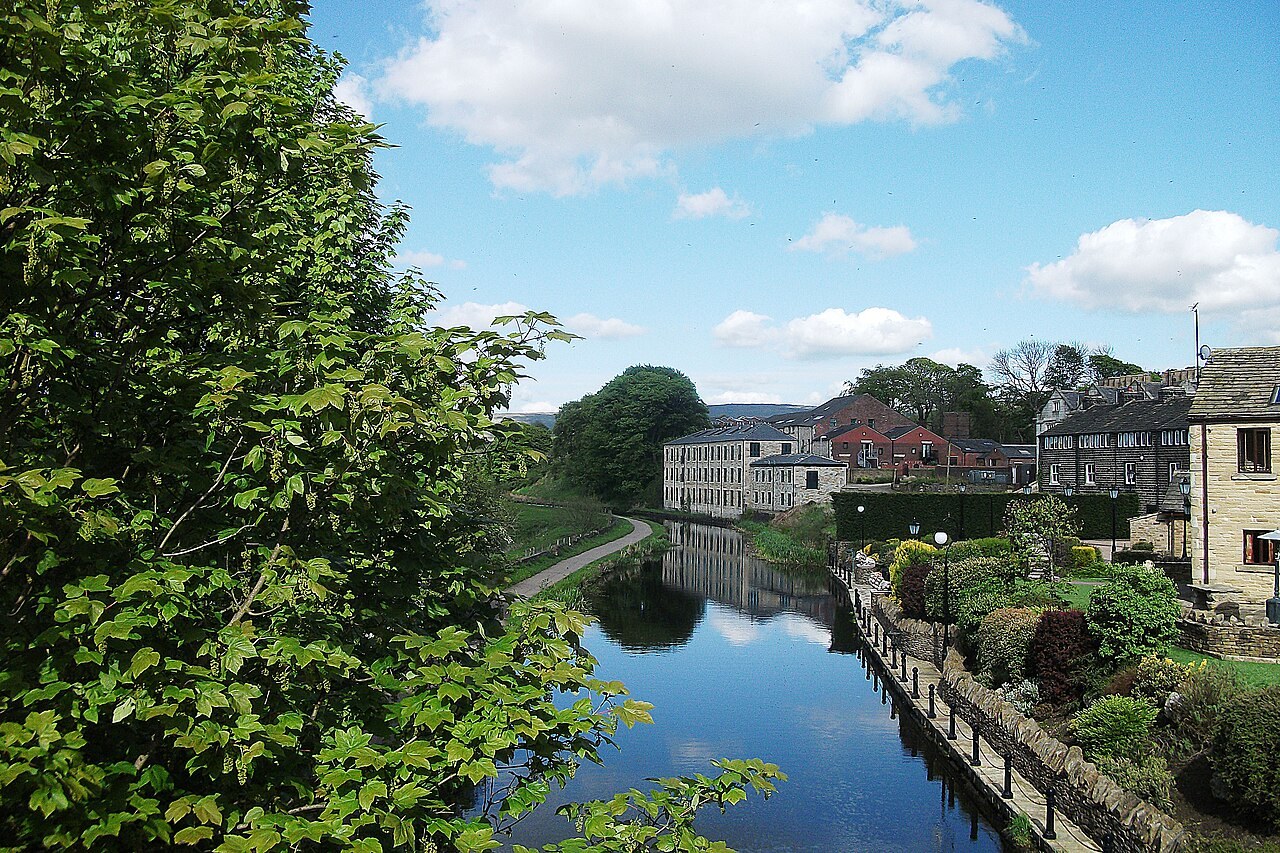

On a winter night in the country‑house telling, parishioners begged a pious man to speak with the restless spirit of Clegg Hall.
The boggart demanded “a body and a soul,” the story goes; the priest produced, instead, “the body of a cock and the sole of a shoe,” burned them, and the ghost fell silent — at least for a while.
That grotesque gag is the detail most people still pass on, and it is printed in nineteenth‑century collections of Lancashire tradition. ([gutenberg.org](https://www.gutenberg.org/cache/epub/25256/pg25256-images.html))
Those printed collectors, and later retellings, are where the tale lives.
John Roby set down a full, dramatic version in his Traditions of Lancashire and recorded variant ballads and anecdotes; other Victorian compilers repeated the cock‑and‑shoe motif and noted a local proverb that used the boggart’s name.
These sources preserve how the story was told — not contemporary evidence that it happened. ([gutenberg.org](https://www.gutenberg.org/cache/epub/25256/pg25256-images.html))
Local historians are blunt about the difference. The late‑19th‑century parish history that inventories Butterworth and neighbouring houses says Roby’s narrative is “pure imagination” even while admitting a ghost‑tradition was long current and had spawned the proverb “as ill as Clegg Hall boggart.”
In short: the story is a durable piece of oral lore, not a documented criminal case. ([your-content.s3.eu-west-2.amazonaws.com](https://your-content.s3.eu-west-2.amazonaws.com/wp-content/uploads/2023/09/04145039/chapter-xvii-old-houses-and-old-families-butterworth-pages337-389.pdf))
What is verifiable is the place. Clegg Hall sits on Clegg Hall Road between Smithy Bridge and Littleborough; the present stone house dates to the early 17th century and is a Grade II* listed building (List Entry 1309615).
The National Heritage List entry records the fabric, the porch and other architectural features and is the proper authoritative source for the house’s historic and legal status. The listed building entry also notes the site’s longer history of occupation.
([historicengland.org.uk](https://historicengland.org.uk/listing/the-list/list-entry/1309615))
The haunting, as the folklore presents it, has more than one form.
Roby and later writers collected several variants: sometimes the heirs are said to have been thrown from a gallery into a moat; in William Nuttall’s ballad the murder is described differently and a saintly exorcism appears.
The cock‑and‑shoe solution turns up among these variants as a clever, comic way to meet a spirit’s demand for a “body and a soul” without offering a human life.
Folklorists read that motif as a standard trick in vernacular ghost‑laying tales — clever, satisfying for listeners, and portable between tellings. ([gutenberg.org](https://www.gutenberg.org/cache/epub/25256/pg25256-images.html))
That pattern matters because it tells us what kind of source we have.
Nineteenth‑century collectors like Roby and the editors of Lancashire Folk‑Lore preserved oral memory, local proverbs and ballads; those materials document popular belief and how communities told the past to themselves, not necessarily historical events.
Where historians have searched the archives — parish registers, manor records and local deeds — they have not found a contemporary legal record that proves the grisly crime Roby narrates. Butterworth’s parish history explicitly warns readers that the colourful story is not archival fact.
([your-content.s3.eu-west-2.amazonaws.com](https://your-content.s3.eu-west-2.amazonaws.com/wp-content/uploads/2023/09/04145039/chapter-xvii-old-houses-and-old-families-butterworth-pages337-389.pdf))
So what should a Rochdale reader take away? If you like the theatrical, keep the cock and shoe: it is a perfectly good Lancashire yarn, recorded by sound nineteenth‑century collectors and still worth hearing as local colour.
If you want documentary history — who built the house, when it was altered, who owned it — that is the work of Historic England, local deeds and the parish histories.
Clegg Hall’s architecture and listing are established; the murder and its magical settlement remain a part of oral tradition, recurrent in ballads and Victorian compilations but not proved by surviving records. ([historicengland.org.uk](https://historicengland.org.uk/listing/the-list/list-entry/1309615))
Sources
Read next
 CommunityBroadfield Park Slopes renovation celebrated at Rochdale Town Hall
More from Rochdale
Morning Briefing: Saturday 31 October 2026Charlie Tasker thriving during loan spell at Rochdale from BrightonRochdale Boroughwide Housing Limited awards VAT services contract to S3TAX LimitedPort Vale to stream Rochdale match live on October 30Morning Briefing: Friday 30 October 2026More CommunitySee all ›
Eight winners honoured at Rochdale Diversity Awards 2026Rochdale Bonfire Night celebrations set for Bowlee Community Park and HeywoodRochdale Council awards contract for Queen's Park SEND improvement projectRochdale Boroughwide Housing updates on Representative Body developmentsLegal and editorial note
This article was compiled from identified public sources and may be updated when further verified information becomes available.
Right to reply: For corrections or a right of reply, email news@rochdaledaily.co.uk.