
Did Robin Hood really come to Healey Dell?
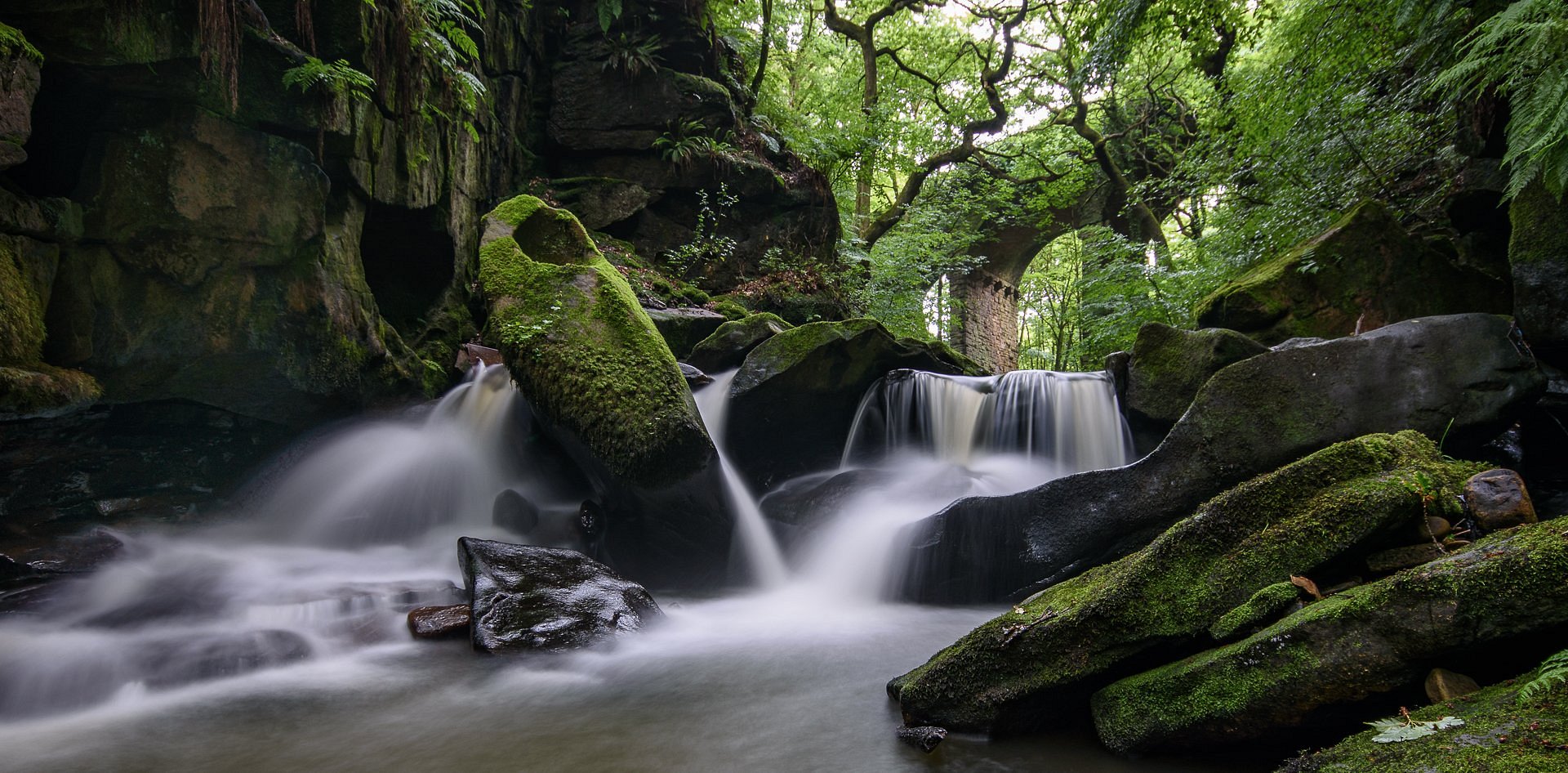
Local stories tie a lost ring, witches and a 'Fairy Chapel' to Robin Hood — the tales are colourful, but what do the records actually show?
There is a pulpit-shaped rock, a narrow pool and a name — the Fairy Chapel — at the base of Healey Dell’s steep gorge.
The visitor centre and local heritage guides record a set of vivid stories: a King of the Fairies who turned a coven to stone, a ring lost in the river that cost a would‑be heir his title, and an origin tale that sends “Robert of Huntingdon” on the road to becoming Robin Hood.
These versions are the ones you’ll see on site interpretation and in the Heritage Centre’s write‑ups. ([healeydelltearooms.co.uk](https://www.healeydelltearooms.co.uk/things-to-do/the-fairies-chapel/))
That is folklore, not archival evidence. The most systematic scholarly account of the Dell is an archaeological desk‑based assessment carried out for Rochdale Metropolitan Borough Council by the University of Manchester Archaeological Unit in December 2004. It maps the valley’s mills, lodges, railway viaduct and later Victorian and industrial remains; it lists the local archives and printed sources consulted (John Rylands, Lancashire Record Office, Rochdale Local Studies and others) and documents the Dell’s long industrial and landscape history — but it does not produce contemporary medieval records linking a historical Robin Hood or a Robert of Huntingdon to Healey Dell. Put bluntly: the detailed desk‑based study records place, industry and later antiquarian interest, not a medieval outlaw’s itinerary. ([rmnf.org.uk](https://www.rmnf.org.uk/wp-content/uploads/2022/03/Vol-1-Healey-Dell-Final-Report.pdf))
Healey Dell’s real, verifiable past is useful and interesting in itself. The site is a designated local nature reserve and a managed visitor attraction, with a Victorian railway viaduct that is Grade II listed and the valley’s surviving mill archaeology. Rochdale Borough Council describes the reserve, the visitor centre’s pictorial displays and the family‑oriented Fairy Grotto as part of the attraction visitors can find at Dell Road, Healey. The viaduct and the visible industrial remains are the kinds of things that the archaeological assessment and Historic England record in statutory listings. ([rochdale.gov.uk](https://www.rochdale.gov.uk/directory-record/737/healey-dell-nature-reserve-and-tea-rooms-rochdale))
How did the Robin Hood story arrive here? Local legends often accrete around striking landscape features; caverns, pools and ravines attract tales of fairies, witches and enchanted tokens across Britain.
The Healey Dell accounts appear in local storytelling and modern retellings by the Heritage Centre and local guides: they make no claim to derive from contemporary medieval documents but preserve a late tradition tying a Huntingdon name and a lost ring to the Chapel.
Those popular accounts are part of the Dell’s cultural history and of local imaginative life — important for tourism and local identity — but they do not equal documentary proof. ([healeydelltearooms.co.uk](https://www.healeydelltearooms.co.uk/things-to-do/the-fairies-chapel/))
On the bigger question of Robin Hood’s historicity, mainstream scholarship treats Robin Hood as a legendary figure built from ballads and popular tales rather than a single, verifiable medieval person whose movements can be read off local court rolls.
Modern reference works and folklorists stress the ballad tradition and its late medieval and post‑medieval formation; many local Robin Hood claims around England are later inventions, popular attributions or imaginative explanations for landscape oddities rather than recordable events.
That does not make the stories worthless — it makes them folklore. ([books.google.com](https://books.google.com/books/about/Oxford_Dictionary_of_English_Folklore.html?hl=en&id=w2BMSAAACAAJ&output=html_text))
So what can a reader reasonably take away?
If you mean “is there documentary, contemporary medieval evidence that Robin Hood or Robert of Huntingdon passed through Healey Dell?” the answer is: no such evidence has been produced in the local archival and archaeological surveys cited by the University of Manchester assessment and by the council’s heritage material.
If you mean “are there stories that people tell about Robin Hood, witches and a magic ring here?” the answer is yes — they are recorded in local guides and on site interpretation, and they help make the place culturally lively. ([rmnf.org.uk](https://www.rmnf.org.uk/wp-content/uploads/2022/03/Vol-1-Healey-Dell-Final-Report.pdf))
If you want to read more or check sources yourself: the University of Manchester archaeological desk‑based assessment (2004) is the most thorough published study of Healey Dell’s historic fabric; Rochdale Borough Council holds the reserve’s visitor information; the Healey Dell Heritage Centre publishes the Fairy Chapel story used in interpretation.
None of these sources substitutes for a named medieval document placing Robin Hood in the Dell — and until such a record appears, the Robin Hood connection belongs to folklore rather than local history. ([rmnf.org.uk](https://www.rmnf.org.uk/wp-content/uploads/2022/03/Vol-1-Healey-Dell-Final-Report.pdf))
Read next
 CommunityAre there really fairies in Healey Dell?
More from HealeySee all ›
 Healey Lane closed in Rochdale for three days from 7 December
 The strange Healey Dell prophecy: tracing Eleanor Byron, Mother Bagden and what the records actually show
 Christ Church Healey to hold Harvest celebration and special bell-blessing serviceCan’t make it to church? Christ Church Healey invites community to join Sunday service online
 Late-night fireworks return to Shawclough and Healey as residents' frustration grows
More CommunitySee all ›
 Middleton Library to explore ghost stories and the real history behind themRochdale White Ribbon vigil: where Wednesday's walk starts and how to joinThinking about fostering? Free advice stall at Rochdale Riverside on WednesdayRochdale Masters and Mayfield Movers raise nearly £15,000 in charity walks
 Rochdale AFC launches Christmas Toy Appeal for local families in need
Legal and editorial note
This article was compiled from identified public sources and may be updated when further verified information becomes available.
Right to reply: For corrections or a right of reply, email news@rochdaledaily.co.uk.