
The strange Healey Dell prophecy: tracing Eleanor Byron, Mother Bagden and what the records actually show
A well‑worn tale about a Lady Eleanor, a fortune‑teller called Mother Bagden and a groom killed on his wedding night survives in Healey Dell guides and nineteenth‑century folklore — but it is folklore, not a proven medieval event.
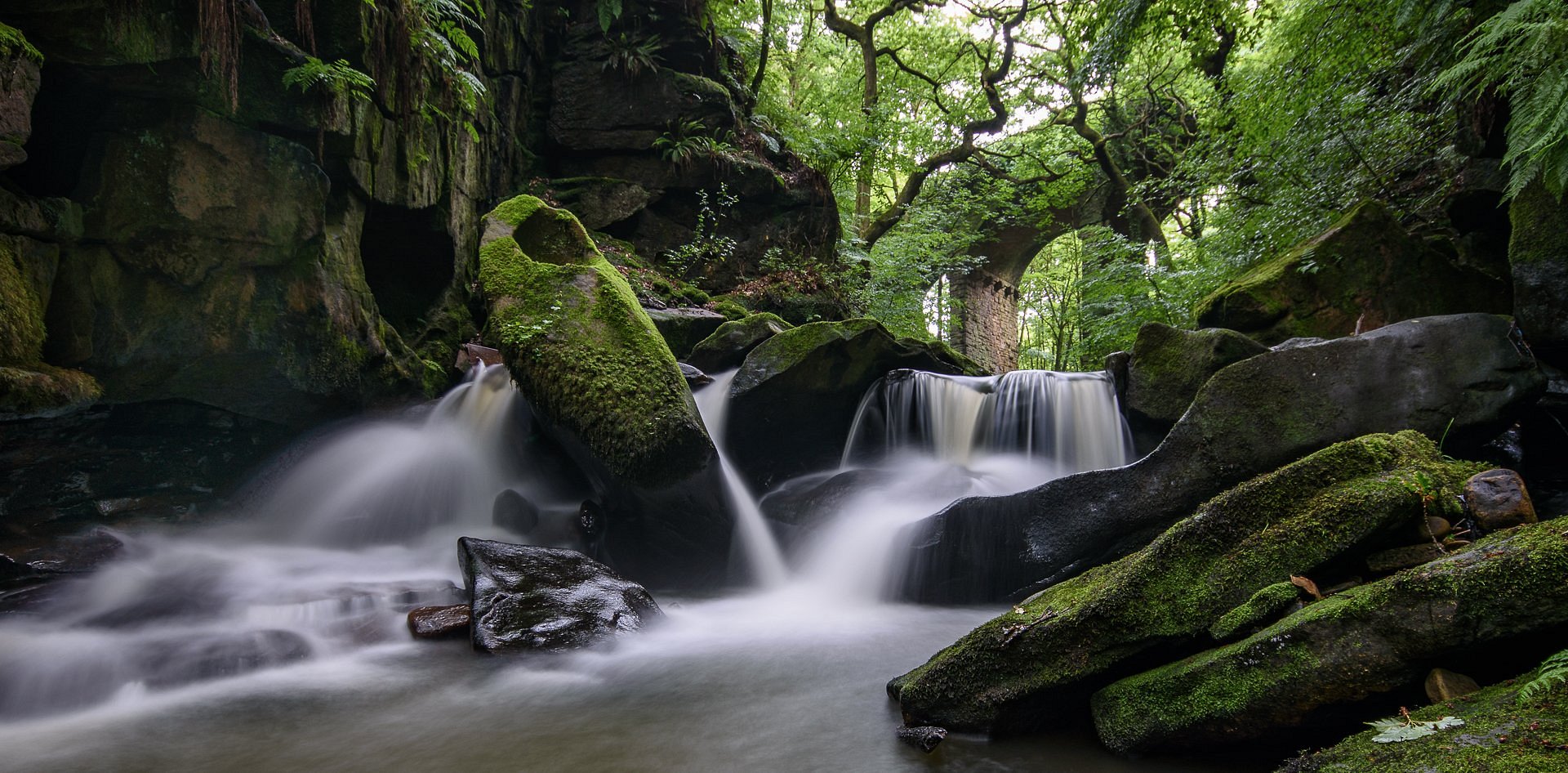
Healey Dell’s narrow gorge, its ruined millworks and the high stone viaduct make an excellent stage for a story.
The most persistent local yarn says a Lady Eleanor — usually given the surname Byron in later retellings — consulted a fortune‑teller named Mother Bagden who prophesied she would be “maid, wife and widow in one day”; on her wedding night the bridegroom is said to have been slain and the prediction fulfilled.
That version of the plot appears in the earliest printed tellings collectors used to fix the tale in print.
The county folklorist John Roby preserved a long, romance‑style account of Healey that includes Eleanor, a miller, Mother Bagden, the Fairies’ Chapel and the fatal wedding night.
Nineteenth‑century guidebooks and later local histories then recycled Roby’s narrative, and the story now sits alongside geology and industrial archaeology in visitor material for the reserve.
What is documented
The place the story lives in is real and well recorded. Healey Dell is a managed nature reserve and visitor attraction at 121 Dell Road, on the River Spodden, cared for and described by Rochdale Borough Council.
The valley contains substantial industrial archaeology from water‑powered mills and is the site of a distinctive rock recess long called the “Fairies’ Chapel”.
The site’s high, eight‑arched sandstone railway viaduct is a Grade II listed structure on the National Heritage List for England (first listed 30 November 1984).
An archaeological desk‑based assessment carried out for Rochdale Metropolitan Borough Council by the University of Manchester Archaeological Unit (2004) maps the Dell’s topography, mill sites and explains how floods and industry altered the feature that inspired the “chapel” story.
Those are verifiable facts you can check in the council’s visitor entry, the Historic England listing and the UMAU report.
The Heritage Centre at Healey Dell publishes a short history leaflet and an industrial archaeology guide that records the local versions of the tale and cites later antiquarian sources; it treats the material as legend in the visitor‑facing interpretation.
What is folklore, and what is not proved
The claim that a named medieval Lady Eleanor Byron was told by a fortune‑teller called Mother Bagden that she would be married and widowed in one day — and that this actually happened as a recorded fifteenth‑century event — is not supported by contemporary medieval paperwork in the sources that carry the story into print.
The earliest printed witnesses for the full prophecy‑plot are nineteenth‑century collectors and antiquarians, notably John Roby, and later regional guides and verse.
Those sources preserve oral traditions; they do not quote parish registers, court rolls or other contemporaneous documents proving a fifteenth‑century legal record of the prophecy or the fatal wedding night.
Likewise, the more supernatural elements of the tale — a Fairy Queen issuing prophecies, a coven turned to stone, or the Healey “dwarf” as a historical person — are elements of local storytelling, repeatedly attested in collectors and site interpretation rather than in archival evidence.
How the landscape shaped the story
Two practical reasons help explain why the tale lodged here.
First: the Fairies’ Chapel is a striking rock alcove whose features were much reduced by a great storm and flood recorded locally on 4 July 1838; the loss of the natural “pulpit” likely encouraged imaginative reconstructions of what had existed there.
Second: nineteenth‑century folklorists and local antiquarians liked to attach pedigrees and famous surnames to colourful local stories — linking a “Lady Eleanor” to the Byron name is a good example of that practice, not proof of genealogy.
Where readers can check for themselves
If you want to follow the trace: read John Roby’s Traditions of Lancashire for the nineteenth‑century printed version; consult the Healey Dell Heritage Centre’s guide for the modern visitor interpretation; look at Rochdale Borough Council’s Healey Dell entry for practical site details; and read the University of Manchester desk‑based assessment (2004) for the Dell’s documented landscape and industrial history.
None of these authoritative sources produces a contemporary medieval document proving the prophecy as a recorded event; they instead show how an attractive landscape, oral tradition and later antiquarian taste made a durable piece of folklore.
In plain terms for local readers: Healey Dell’s “maid, wife and widow in one day” prophecy is one of the Dell’s best stories.
It belongs to the county’s long oral and print tradition of folklore; the valley’s viaduct, mill remains and the visitor centre are the verifiable reasons to visit, not a set of surviving medieval records that confirm Mother Bagden’s prediction.
Sources
Read next
 CommunityAre there really fairies in Healey Dell?
More from HealeySee all ›
 Healey Lane closed in Rochdale for three days from 7 December
 Did Robin Hood really come to Healey Dell?
 Christ Church Healey to hold Harvest celebration and special bell-blessing serviceCan’t make it to church? Christ Church Healey invites community to join Sunday service online
 Late-night fireworks return to Shawclough and Healey as residents' frustration grows
More CommunitySee all ›
 Middleton Library to explore ghost stories and the real history behind themRochdale White Ribbon vigil: where Wednesday's walk starts and how to joinThinking about fostering? Free advice stall at Rochdale Riverside on WednesdayRochdale Masters and Mayfield Movers raise nearly £15,000 in charity walks
 Rochdale AFC launches Christmas Toy Appeal for local families in need
Legal and editorial note
This article was compiled from identified public sources and may be updated when further verified information becomes available.
Right to reply: For corrections or a right of reply, email news@rochdaledaily.co.uk.